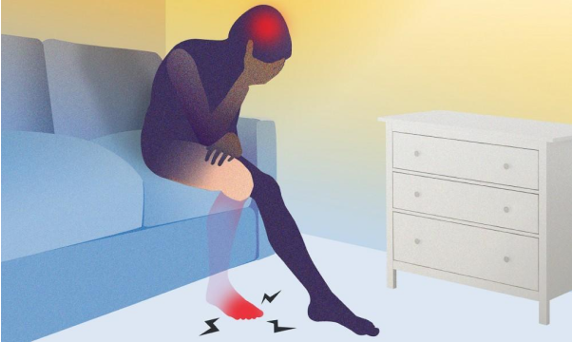
Phantom Limb Pain (PLP)
Phantom Limb Pain (PLP) refers to painful sensations felt in a limb that has been amputated. It is a common and debilitating condition after limb amputation. PLP is as real as any other form of pain, even though the limb is no longer physically present. In fact, phantom pain can occur in other parts of the body that have been amputated, not only limbs. PLP can become chronic and more difficult to manage if left untreated. Fortunately, PLP can be treated and prevented in most cases!
#FightPLP is an initiative to educate about Phantom Limb Pain (PLP) and its treatment. This is a volunteer-based project by scientists and clinicians from around the world.
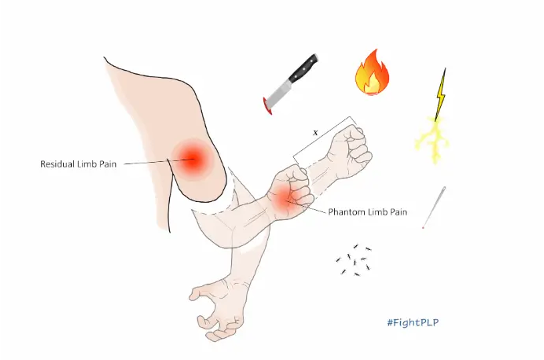
Treatments for PLP
Dozens of treatments for Phantom Limb Pain (PLP) have been proposed over the years, and while they are often claimed to be effective, they are rarely demonstrably so. Pain is a complex experience involving physiological and psychological factors. The way our body works (physiology), and how we apprise our situation (psychology), can both influence the experience of pain, and both influence each other. Similarly, changes to our body, by invasive or non-invasive procedures, can affect the way our brain processes information causing long-term changes (“plastic”) on how we experience pain. So, although pain treatments can be roughly divided into four categories, they are often interlinked and can complement each other. The four key types of treatments are pharmacological, surgical, plasticity-guided and psychological.
For more information on treatments, visit #FightPLP to learn more.